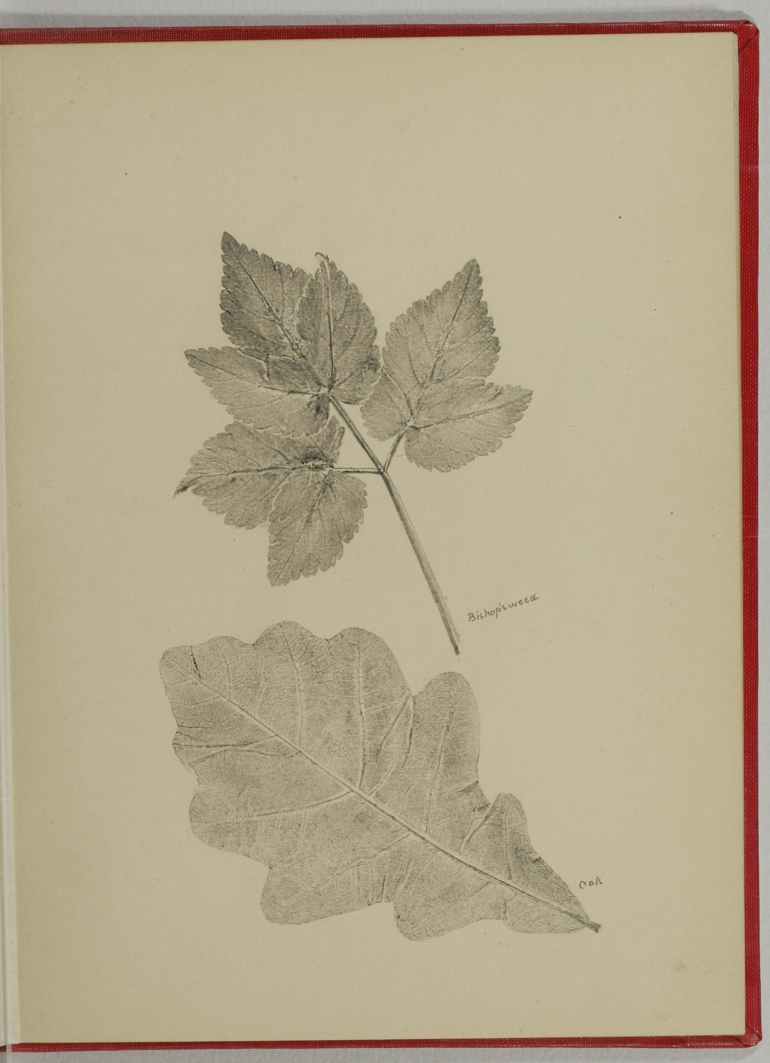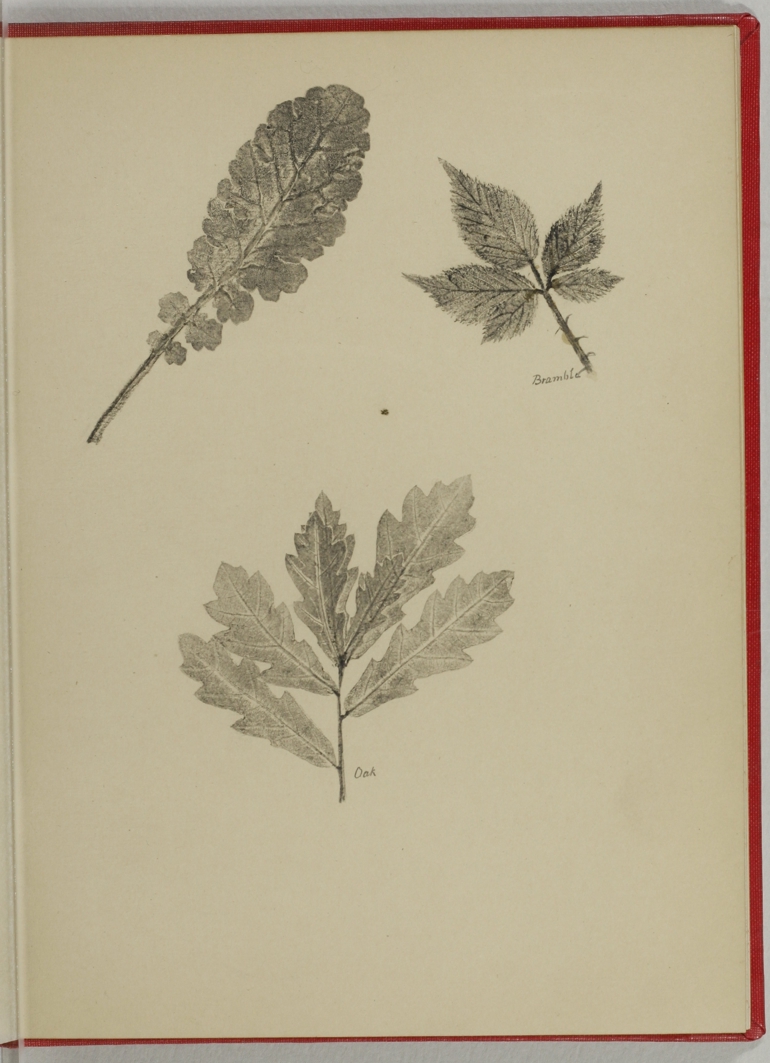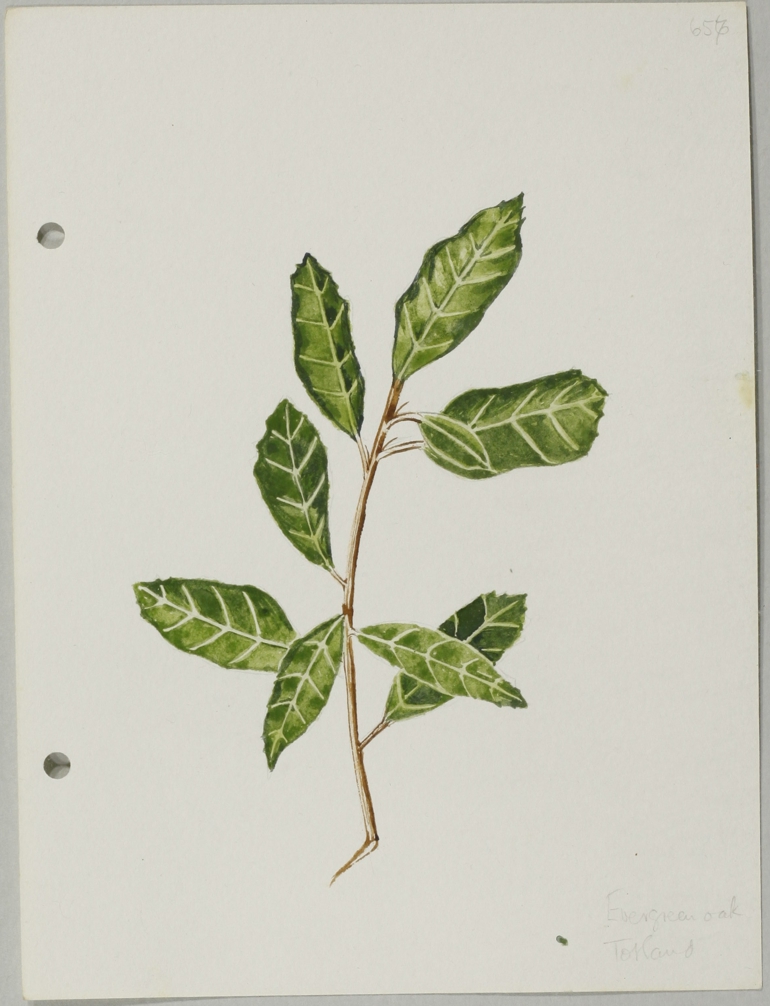

Oaks once covered a third of Britain, but ancient woodlands are now rare. In Scotland, the native species is the Sessile Oak, which supports immense biodiversity, forms temperate rainforests, and has a rich cultural history.
Here are a few examples of magical and medicinal uses of the oak from Plant Magic by Gregory J. Kenicer:
‘In more recent times in Britain, acorns could be used in a love divination; a string of acorns wrapped round a branch were burned at exactly midnight by groups of girls to help them dream of their sweethearts-to-be. This needed one acorn per participant (up to nine), and the ritual had to be performed in complete silence. The ashes were thrown out once the branch had been burned, and the girls would go to bed and were finally allowed to speak; they would recite a short verse that implored visions of their future lover to appear’ (58).
‘An afflicted person could crawl through the space and leave their illness behind with the tree. In some places, this magic would also work with livestock, so sick sheep were passed through the cleft of a young oak. People with ague had to visit an oak at the crossroads to pass the disease to the plant (so-called cross-oaks). An oak struck by lightning was particularly useful for medicine; splinters of the wood from such a tree could be bitten to cure a toothache’ (59).