
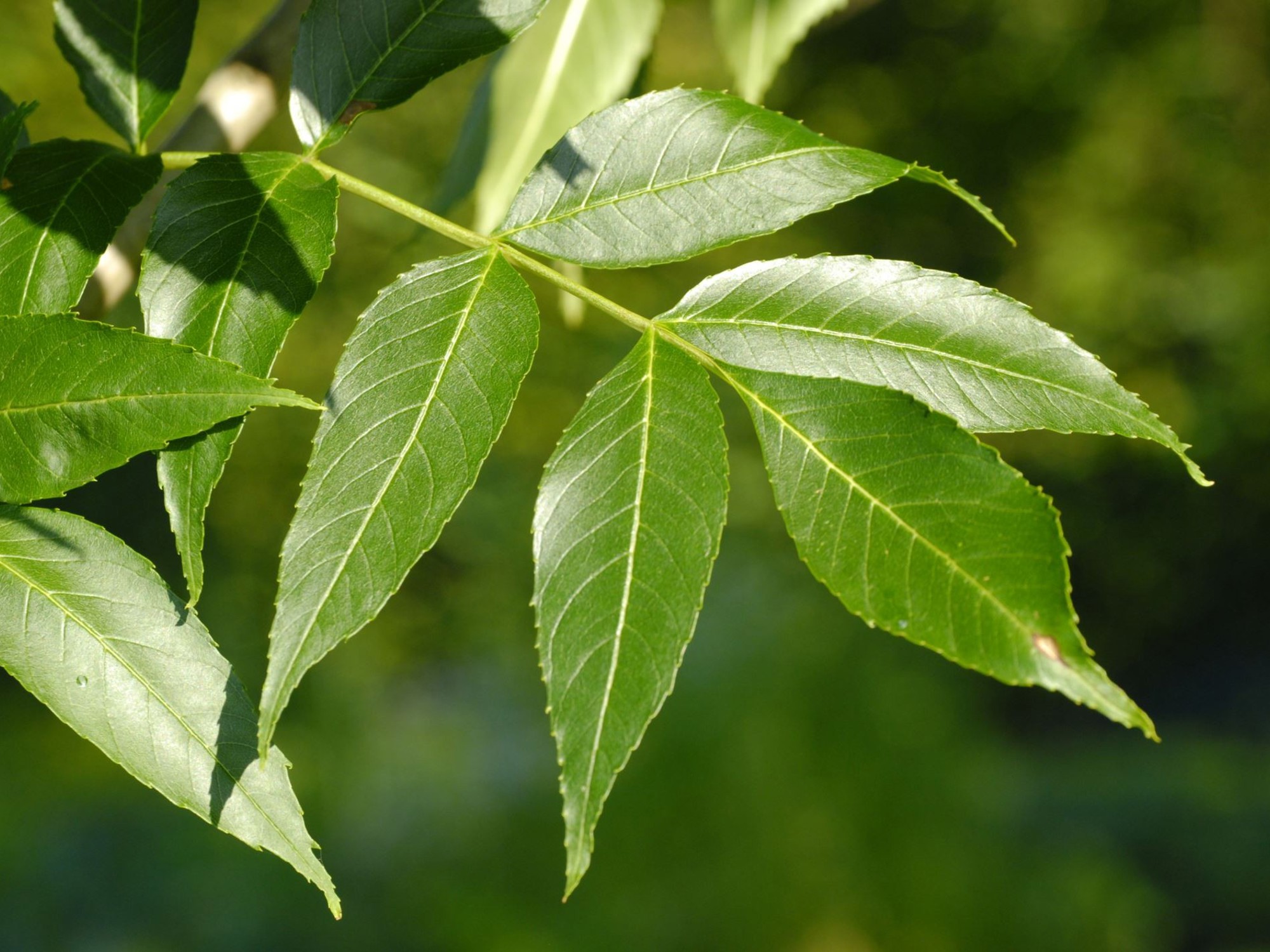
Global plant biodiversity network Botanic Gardens Conservation International (BGCI) is joining forces with leading experts at Bartlett Tree Research Laboratories and Arboretum to launch two new initiatives safeguarding the future of ash (Fraxinus species) and hawthorn (Crataegus species) trees worldwide.
Culturally and ecologically important plant families, ash and hawthorn play a vital role in forest ecosystems across Europe, Asia, and North America. They support biodiversity, stabilise landscapes, and provide valuable ecosystem services. However, many species are under severe threat from habitat loss and climate change, as well as invasive pests and diseases, in particular ash dieback and emerald ash borer.
The new partnership – announced during the first ever Global Conservation Consortia summit at the Royal Botanic Garden Edinburgh - will bring together horticulturists, scientists, botanic gardens, arboreta, forestry specialists, and conservation practitioners to coordinate urgent conservation. It will focus on several key priorities, including supporting scientific research on ash health and resistance, developing conservation collections, clarifying taxonomy, promoting in-situ conservation initiatives, and facilitating knowledge exchange.
Carly Cowell, Secretary General of BGCI, explained: “Across the world, ash and hawthorn trees are facing unprecedented threats from habitat loss, climate change, pests and disease. No single organisation can tackle these challenges alone. By bringing together a global network of botanic gardens combined with the scientific expertise of Bartlett Tree Research Laboratories, this consortium will help coordinate international action, share critical knowledge, and ensure that ash and hawthorn species are conserved for future generations.”
Adam Black, Director of Horticulture, Botanical Research and Conservation at Bartlett Tree Research Laboratories, added: “These keystone tree species are an essential part of many landscapes and ecosystems, yet they are under increasing pressure worldwide. Through this partnership with BGCI, we are creating a platform that connects research, practical arboriculture, and conservation science. By working collaboratively with experts around the globe, we can accelerate research, identify threatened ash and hawthorn populations, and support the restoration of these important trees.”
The international summit is being hosted by Dr Hannah Wilson, who heads-up the RBGE-based International Conifer Conservation Programme. She concluded: “At the Royal Botanic Garden Edinburgh we see first-hand the importance of long-term, collaborative approaches to safeguarding threatened tree species. The establishment of Global Conservation Consortia for ash and hawthorn represents an exciting expansion of a growing international network working to connect scientific research, living collections, and practical conservation action. Launching these initiatives during the first GCC Summit reflects both the urgency of the challenges facing trees globally and the increasing willingness of organisations to work together to address them.”