We save plants from extinction in Scotland, contributing to ecosystem recovery by combining our scientific and horticultural expertise for the translocation of rare and threatened species. Some examples of our work:
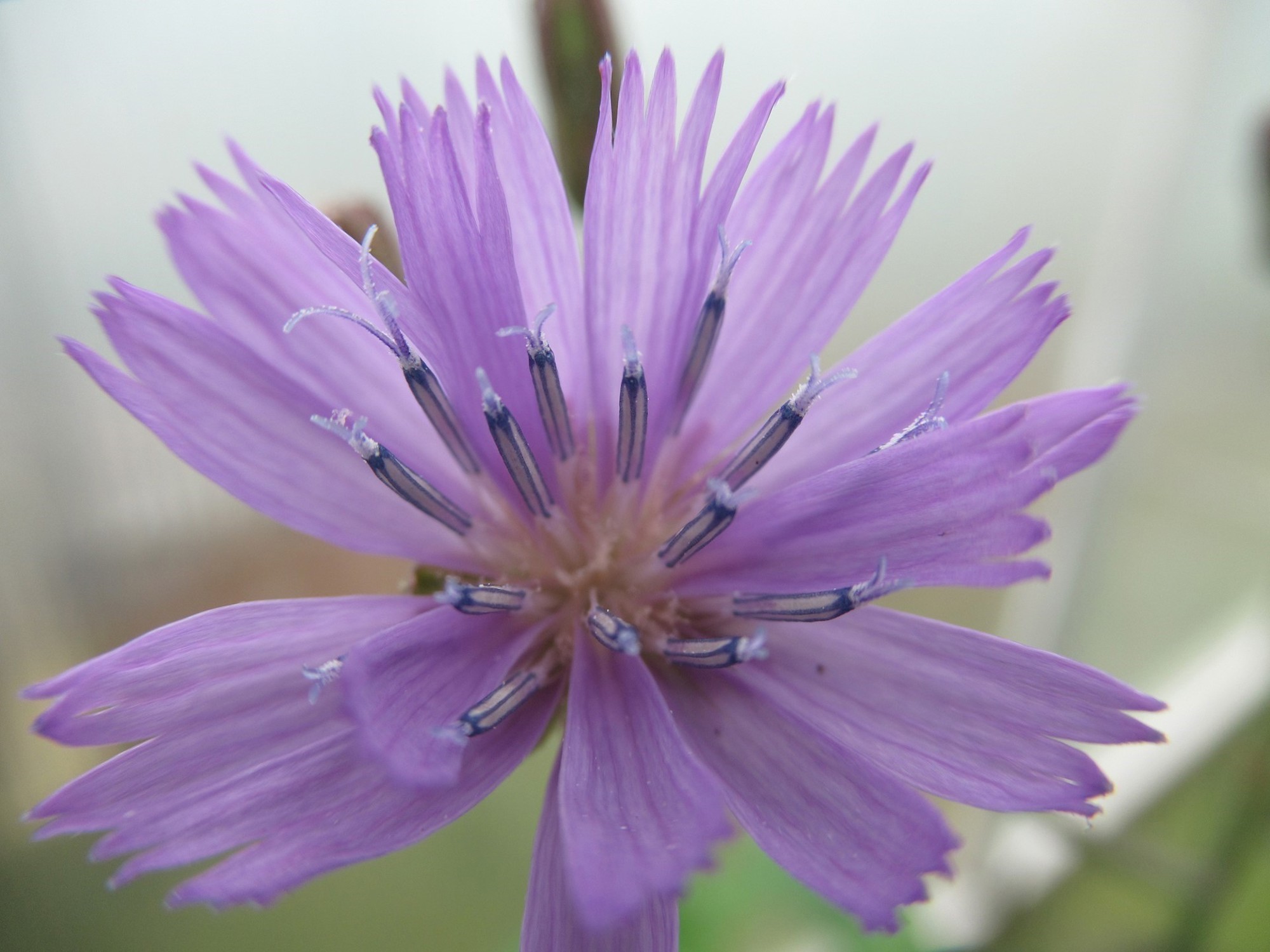
- alpine blue sow thistle (Cicerbita alpina) in the Cairngorms,
- oblong woodsia (Woodsia ilvensis), Britain’s rarest fern,
- the mountain milk-vetch (Oxytropis halleri) in East Ross,
- sticky catchfly (Silene viscaria) - this near-threatened species has grown on rocks in Edinburgh’s Holyrood Park for c. 400 years, but by the 1990s the population had been reduced to just four plants. The species was grown at RBGE from seed and planted onto ledges and steep slopes in Holyrood Park and on Castle rock, as well as onto the roofs of the Scottish Parliament buildings. Seedlings are spreading, securing the future of a culturally important plant,
- whorled Solomon's seal (Polygonatum verticillatum) - all eight of this plant's UK populations occur in Scotland, where they are at risk from geomorphological change: the population in Glen Tilt has from 14 to two plants because of land erosion. A single rhizome was rescued, grown and bulked-up at RBGE for a Glen Tilt reintroduction in 2007 and 2010, and for population reinforcement at Den of Airlie and Riechip in 2017,
- the montane specialist woolly willow (Salix lanata).
We also conserve Scotland’s globally-threatened temperate rainforest species, designing methods for the translocation of lichen epiphytes back into sites from which they have been lost. This includes recovery of rainforest specialists into native oakwoods using sites in the Loch Lomond and Trossachs National Park.
We follow and produce best pratcice Guidelines, see The Scottish Code for Conservation Translocations