
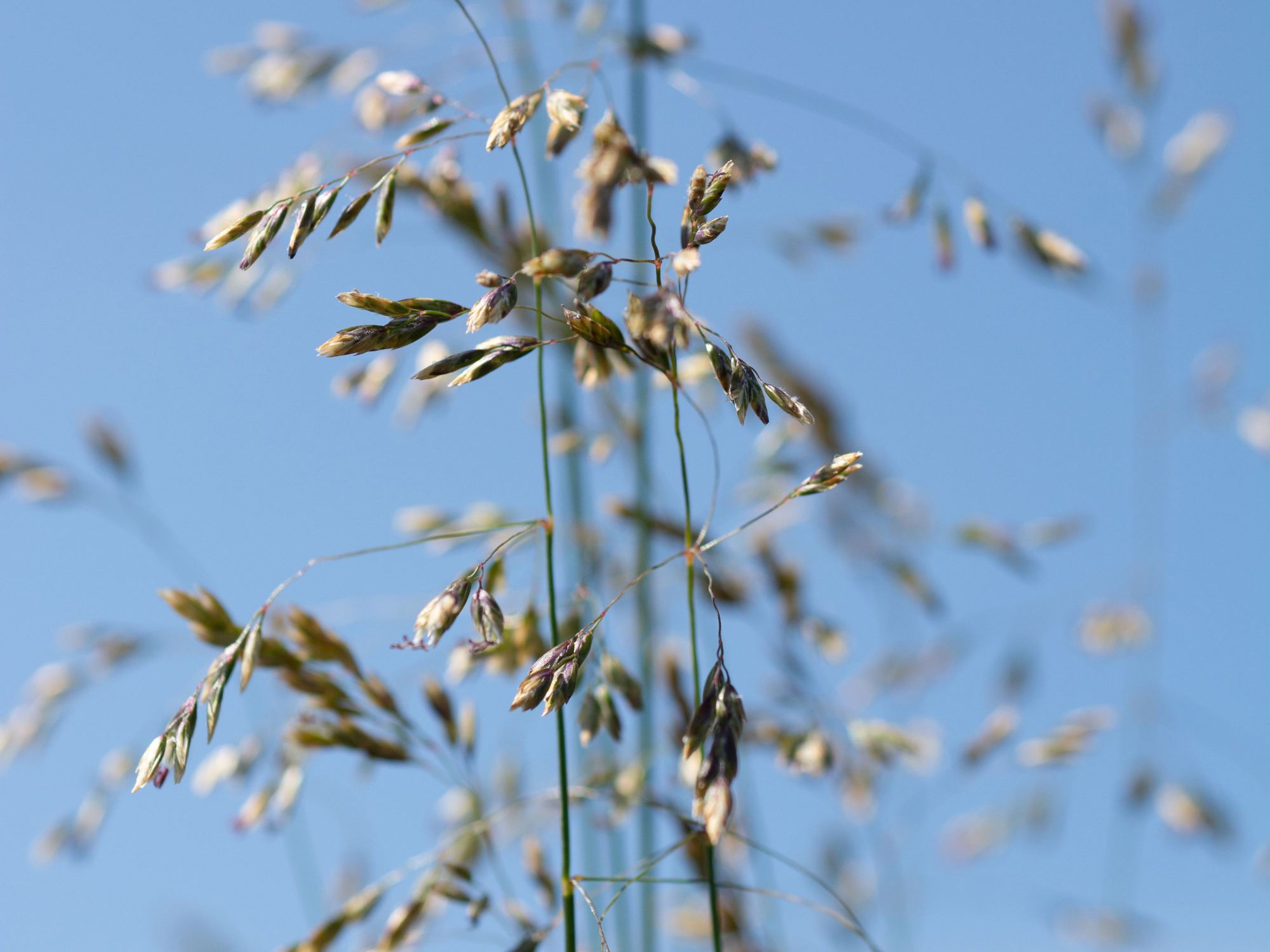
Royal Botanic Garden Edinburgh scientists at the fore of research into the global importance of grasslands are calling for stronger alliances to protect these crucial habitats.
Grasslands cover over 40 per cent of the planet’s land surface and have been powerhouses of carbon capture for the last 10 million years. They are vibrant ecosystems that both feed the world and harbour incredible wildlife. But, sweeping plains of grasslands can be mistakenly viewed as "empty" rather than vital ecosystems made up of millions upon millions of diverse plants.
Highlighting the world-leading research undertaken at the Garden, a new exhibition in the John Hope Gateway visitor centre (to Saturday, January 10) celebrates the importance of grasslands to people and the planet.
Professor Caroline Lehmann explained: “If we want to save biodiversity and address climate change, then we need to protect and manage grasslands globally.
“Managed well, grasslands store immense amounts of carbon in the soil, rather than in trees, and can capture as much carbon as their famous tropical forest cousins. Crucially, grassland carbon is durable and highly resilient to fire and drought, unlike forests.
“In Scotland, our species rich grasslands provide valuable habitats and essential ecosystem services such as pollination and carbon storage. We ignore their value at our peril. That’s why we need to galvanise understanding and encourage global cooperation to support them.”
Professor Julia Knights, Regius Keeper at the Garden urged: “In the UK alone, we’ve lost over 97 per cent of our species-rich grassland. This means vital habitats for wildlife and carbon stores have been lost. Globally our lost grasslands mean deep ecological knowledge, cultural identities, and sustainable livelihoods for communities are lost too. I hope our exhibition can inspire everyone around the beauty and importance of these ecosystems and why they are worth saving.”
Open daily 10am – 5pm, with free entry and suitable for all ages, Grasslands uses a striking selection of photographs, traditional craft pieces and illustrations to tell the story of these precious habitats.